Are You Exploring the Best Travel Routes from Australia?
Best Routes to Oceania
If you're like Oliver and interested in exploring new terrains while considering financial growth through travel, Oceania offers a variety of remarkable tours that highlight both natural beauty and cultural diversity. Taking a journey from the iconic Sydney Opera House can kickstart an adventure filled with nature and culture.
Scenic Pacific Highlights
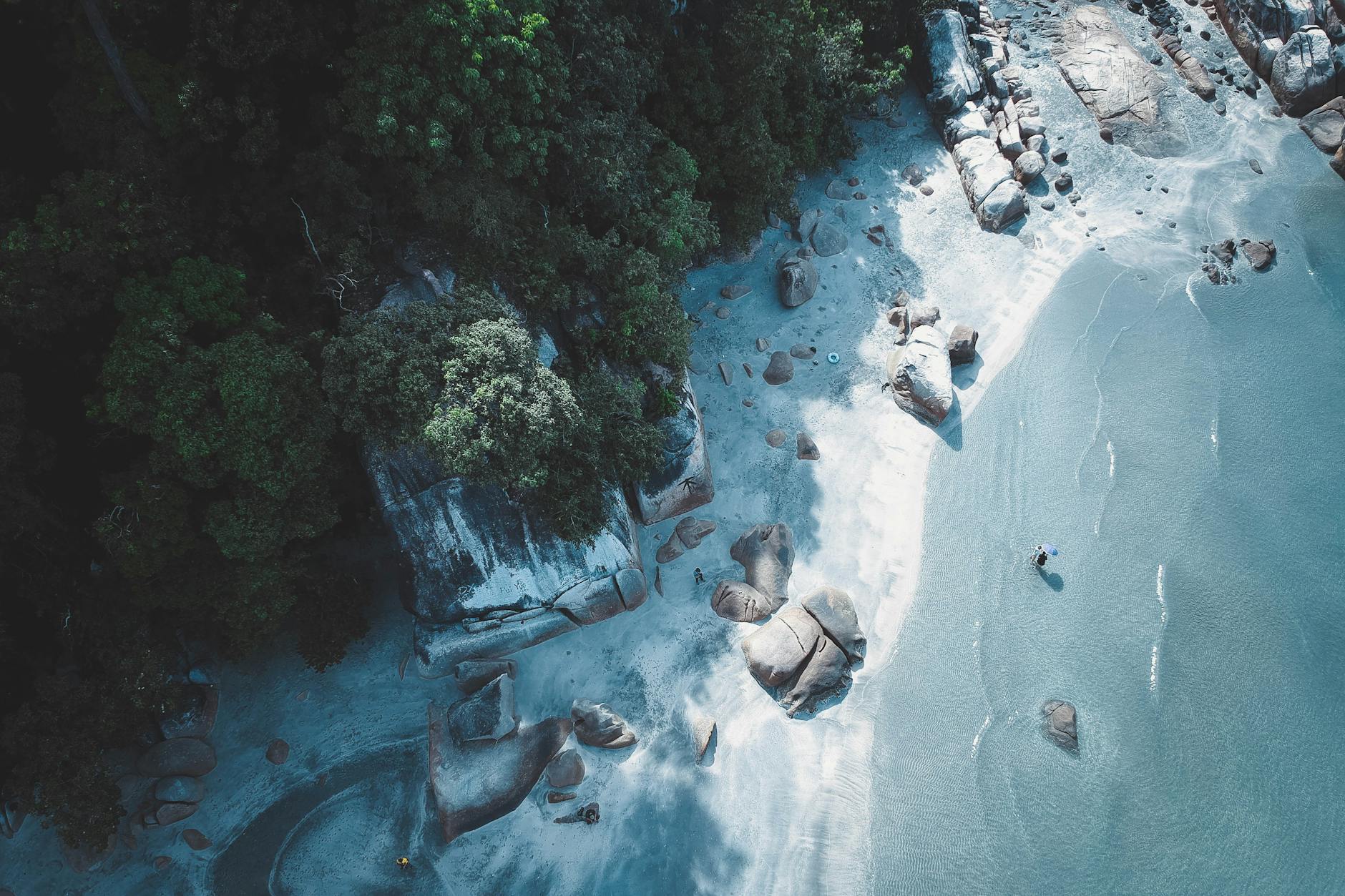
The Pacific is home to some of the most stunning landscapes on Earth. Picture the azure waters and lush green islands where various africa tours have been creatively reimagined to showcase the vibrant cultures and diverse ecosystems. Travel to the serene beaches and towering volcanoes, where you can explore unique cultural traditions.
Diving into the Great Barrier Reef
Australia's Great Barrier Reef is a marine biologist’s dream, offering kilometres of colourful coral formations and marine life. This natural wonder is a perfect destination for dive enthusiasts looking to get close to the underwater world they've studied, offering unparalleled insight into marine conservation efforts.
Papua New Guinea’s Cultural Odyssey
For those keen on the intersection of cultural exploration and travel, Papua New Guinea offers a wealth of indigenous traditions and languages. Here, visitors can engage with local communities and witness age-old practices that are still vibrantly alive today. This unique destination serves as a bridge between traditional cultures and modern tourism, a focus shared by many South America tours.
As you consider the myriad options for exploring Oceania, these routes promise not only adventure but also an investment in rich cultural experiences.
Exploring Asia’s Wilderness
Investing your time in Asia’s wilderness can significantly diversify your travel portfolio. If you're particularly adventurous, Indonesia offers a rich tapestry of both Machu Picchu tours and South Africa tours—but closer to home, and in its own unique style. Indonesia boasts a wealth of natural wonders, including the forests of Sumatra teeming with biodiversity and the pristine beaches of Bali. It's a vivid demonstration of nature's bounty that is sure to satisfy those with an adventurous spirit.
Consider Vietnam as another compelling option. Its northern highways snake through lush mountain landscapes offering picturesque views and meaningful cultural engagements. Any investor in travel should note that Vietnam is rapidly developing infrastructure that seamlessly enhances accessibility to these beautiful terrains.
A journey through Japan’s natural landscapes offers both serenity and adventure. From the snow-capped mountains of Hokkaido to the tranquil gardens of Kyoto, each region presents distinct experiences, ripe for exploration. Nature in Japan is punctuated by cultural elements like tea ceremonies and hot springs, enriching your travels with deeper understanding and appreciation.
As you contemplate these Asian expeditions from your Sydney base, visualize the Sydney Opera House as a gateway to further enriching experiences. By selecting such multifaceted travel routes, you not only broaden your understanding of diverse ecosystems but also potentially impact your financial growth through informed travel investments.
Adventures in South America
For those with a curiosity for financial growth through travel, South America presents a treasure trove of opportunities. The region is imbued with rich landscapes and dynamic eco-systems that can offer deeply rewarding travel experiences. If you're anything like Oliver, whose focus has shifted from marine to terrestrial and cultural ecosystems, a visit to the vibrant lands of Patagonia tours could provide unparalleled insights into biodiversity and conservation techniques. This destination isn't just about dramatic landscapes; it’s an eco-conscious traveler's haven.
Beyond Patagonia, the Galapagos cruise offers a wealth of opportunities. These cruises are a fantastic way to delve into the unique biodiversity, with itineraries often intertwining eco-friendly practices with the thrill of discovery. Given the historic Sydney Opera House's significance in Australia’s cultural tapestry, it’s fitting to draw parallels between landmark Australian experiences and South America's immersive adventures.
Travel investments here are not just about the financial return but also the educational yield from each expedition. To inform your decisions, consider leveraging peer reviews and expert advice, much like visiting the Australian Museum's exhibitions to gain a comprehensive understanding of geological narratives. This tailored approach ensures that you’re not only exploring but also building lasting, informed connections with the environment you care so deeply about.
Discovering Europe’s Routes
Norway’s Arctic Pathways
When contemplating a journey through Europe's remarkable landscapes, the pathways in Norway’s Arctic regions become indispensable for any explorer seeking awe-inspiring experiences. Coupled with Arctic cruises, Norway promises a breathtaking travel prospect as you glide through fjords under the enchanting Northern Lights. This region isn't only about the sublime natural beauty but also the environmental explorations that can be richly educational.
For those intrigued by the blended allure of history and natural majesty, consider how these routes echo the draw of the Australian Museum's educational exhibitions, enhancing your journey with profound learning. Travel enthusiasts like Oliver Bennett, who possess a medium level of knowledge about such destinations, can find themselves captivated by both the terrestrial attractions and the dynamic marine life. The delicate eco-systems here echo the allure of South American tours, offering a spectrum of natural wonders and conservation stories that resonate with environmentally conscious travelers.
Visiting Norway's Arctic environments provides insight into the enduring cultural traditions and ecological balance the country maintains. As you navigate these pristine pathways, you'll find your journey deeply enriched by an understanding of global environmental challenges, akin to the impact of Oliver’s scientific explorations. Each experience invites you to connect more deeply with the world you traverse, fostering both personal enrichment and a commitment to conservation initiatives.
Sustainable Travel Strategies
Minimise Emissions
One effective method to diminish your carbon emissions while travelling is to select transportation options that prioritise sustainability. Whenever possible, opt for direct flights and choose airlines with strong sustainability records. Consider exploring destinations like the iconic Sydney Opera House and nearby locations using public transport or, better yet, by walking. Not only does this help reduce your carbon footprint, but it also gives you a chance to truly absorb the sights and sounds around you.
Local Empowerment and Conservation
To make your travel dollar work harder for the environment, it's imperative to support local communities and conservation efforts. By purchasing locally made products and patronising eco-friendly accommodations, you can directly contribute to the economic empowerment of the residents. Staying at eco-lodges near the educational Australian Museum allows you to delve deeper into the cultural and environmental heritage of the area. Engaging in activities run by local eco-guides can provide a wealth of insights while preserving the delicate balance of these locations.
Ethical Wildlife Engagement
Engaging ethically with wildlife not only enriches your experience but also plays a crucial role in conservation. Aim to visit wildlife sanctuaries and reserves that are dedicated to rehabilitation and conservation. When you explore natural wonders like the Royal Botanic Garden in Sydney, adhere to guidelines that protect indigenous flora and fauna. This ensures that the natural beauty and biodiversity continue to thrive, so future generations can have the same awe-inspiring experiences.
By incorporating these sustainable practices into our travel routines, we can enjoy enriching experiences while ensuring that our adventures leave a positive impact on the world.